How to Lower Your Energy Bill During Victorville’s Hottest Months
Victorville summers are no joke. With temperatures regularly soaring past 100 degrees and heatwaves stretching for days, homeowners across the High Desert feel the impact not only in their homes but also on their utility bills. Air conditioners run longer, systems work harder, and energy usage spikes dramatically. Fortunately, there are practical, effective ways to keep your home cool without watching your energy bill climb out of control.
If you live in Victorville, Hesperia, Apple Valley, or anywhere in the Mojave Desert, these strategies will help you stay comfortable while keeping your cooling costs in check.
Why Energy Bills Skyrocket in Victorville Summers
Victorville’s climate creates unique challenges that directly affect cooling costs:
- Extreme heat: Weeks of 100°–110° temperatures force AC systems to run nearly nonstop.
- Low humidity: Dry air makes it harder for homes to retain cool air, increasing run time.
- Dust and sand: High Desert winds push debris into HVAC systems, reducing efficiency.
- Heat‑soaked homes: Brick, stucco, and tile roofs absorb heat all day and release it slowly at night.
Understanding these factors helps homeowners take targeted steps to reduce energy usage and improve comfort.
1. Schedule a Pre‑Summer AC Tune‑Up
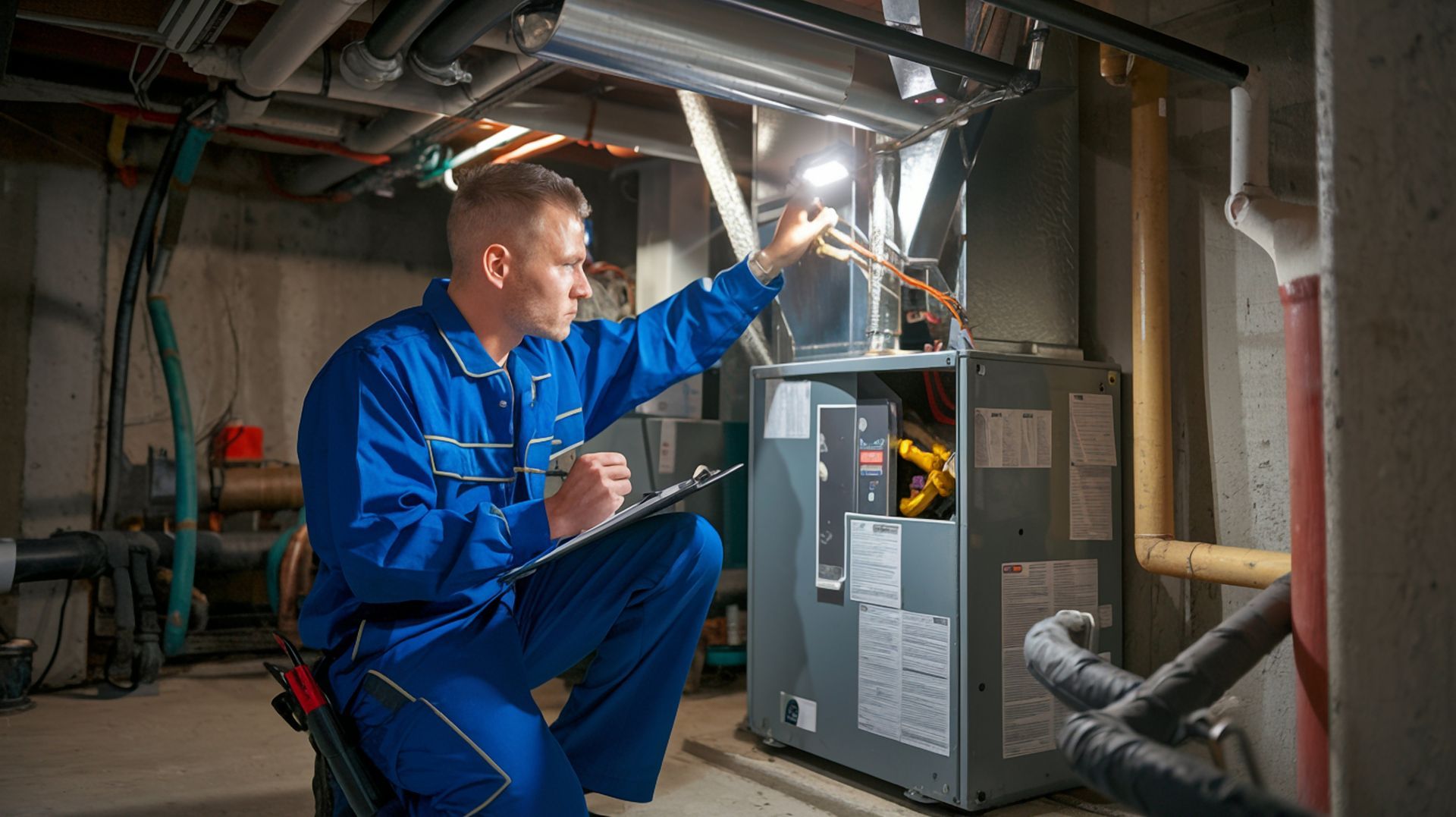
A professional AC tune‑up is one of the most effective ways to lower your energy bill during Victorville’s hottest months. When temperatures spike, even a small inefficiency can cause your system to work significantly harder.
A tune‑up typically includes:
- Checking refrigerant levels
- Cleaning coils
- Inspecting electrical components
- Lubricating moving parts
- Testing system performance
A well‑maintained system cools faster, runs more efficiently, and uses less energy. If your AC hasn’t been serviced since last summer, now is the time.
2. Replace Air Filters More Frequently in the High Desert
In most areas, homeowners can replace air filters every 60–90 days. But Victorville is not “most areas.” Dust, sand, and windstorms clog filters quickly, forcing your AC to work harder.
During summer, aim to replace filters:
- Every 30 days for standard filters
- Every 60 days for high‑quality pleated filters
A clean filter improves airflow, reduces strain on your system, and can noticeably lower your energy bill.
3. Use a Programmable or Smart Thermostat
Smart thermostats are one of the easiest ways to cut cooling costs without sacrificing comfort. They automatically adjust temperatures based on your schedule and preferences.
For Victorville summers, ideal settings include:
- 78°F when home
- 82–85°F when away
- Sleep mode to reduce overnight cooling costs
Many smart thermostats also track energy usage and suggest ways to save even more.
4. Seal Air Leaks and Improve Insulation
Victorville’s dry heat can seep into your home through even the smallest gaps. Poor insulation and unsealed leaks force your AC to run longer to maintain cool temperatures. Focus on sealing:
- Windows and sliding doors
- Attic access points
- Gaps around plumbing and wiring
- Older exterior doors
Adding insulation to the attic is especially effective in the High Desert, where roofs absorb intense heat all day.
5. Keep Blinds and Curtains Closed During Peak Heat
It may seem simple, but blocking sunlight can significantly reduce indoor temperatures. South‑ and west‑facing windows bring in the most heat during Victorville afternoons.
Use:
- Blackout curtains
- Thermal shades
- Reflective window film
These small changes can reduce indoor temperatures by several degrees, lowering the workload on your AC.
6. Use Ceiling Fans to Support Your AC
Ceiling fans don’t cool the air, but they make your home feel cooler by improving air circulation. This allows you to raise your thermostat by 2–4 degrees without feeling uncomfortable.
During summer, set fans to rotate counterclockwise to push cool air downward.
7. Avoid Heat‑Generating Activities During the Day
Appliances like ovens, dryers, and dishwashers add unnecessary heat to your home. In Victorville’s extreme summer temperatures, even small heat sources make a difference.
Try to:
- Cook outdoors or use small appliances
- Run dishwashers and dryers at night
- Switch to LED bulbs, which produce less heat
These habits help your AC work less during peak heat hours.
8. Consider Upgrading an Older AC System
If your AC is more than 12–15 years old, it may be costing you more than you realize. Older units are far less efficient and struggle in extreme heat.
Upgrading to a modern, high‑efficiency system can:
- Reduce energy usage by up to 30%
- Improve cooling performance
- Lower repair costs
- Increase home comfort
For Victorville homeowners, this upgrade often pays for itself quickly due to heavy summer usage.
Final Thoughts
Lowering your energy bill during Victorville’s hottest months is absolutely possible with the right strategies. From regular maintenance to smart thermostat settings and improved insulation, each step helps your AC run more efficiently and keeps your home comfortable all summer long.