Should You Repair or Replace Your HVAC System After 10 Years?
If your HVAC system is hitting the
10-year mark, you’ve probably started asking yourself:
“Is it time to repair it again, or should I just bite the bullet and replace it?” It’s a question every homeowner faces at some point — and the answer isn’t always black and white. At
Rea’s HVAC, we help homeowners weigh the pros and cons so you can make a decision that’s right for your comfort, budget, and peace of mind.
The Age Factor: Why 10 Years Matters
Most HVAC systems are built to last about 10–15 years, depending on usage, maintenance, and quality. Around year ten, even well-maintained systems may start showing signs of wear:
- Reduced efficiency and higher energy bills
- More frequent breakdowns or emergency repairs
- Inconsistent heating or cooling throughout your home
If your unit is constantly breaking down or your energy bills are climbing, it’s a sign to seriously evaluate whether repair or replacement makes more sense.
Repairing Your HVAC: When It Makes Sense
Sometimes, repairs are the smart move — especially if your system has been maintained well and the issue is relatively minor. Typical scenarios for repair include:
- A single component failure (like a blower motor or capacitor)
- Occasional refrigerant leaks or thermostat problems
- Short-term fixes to bridge a season until a planned replacement
Repairs are usually less expensive upfront than a full replacement. However, keep in mind that repeated repairs can add up, especially on a system over ten years old. If you’re spending more than
half the cost of a new system on yearly repairs, it might be time to consider replacement.
Replacing Your HVAC: Signs It’s Time to Upgrade
There are certain red flags that indicate replacement is the better long-term investment:
- Constant breakdowns: If your HVAC has needed multiple repairs in the past year or two, replacement can save money and stress.
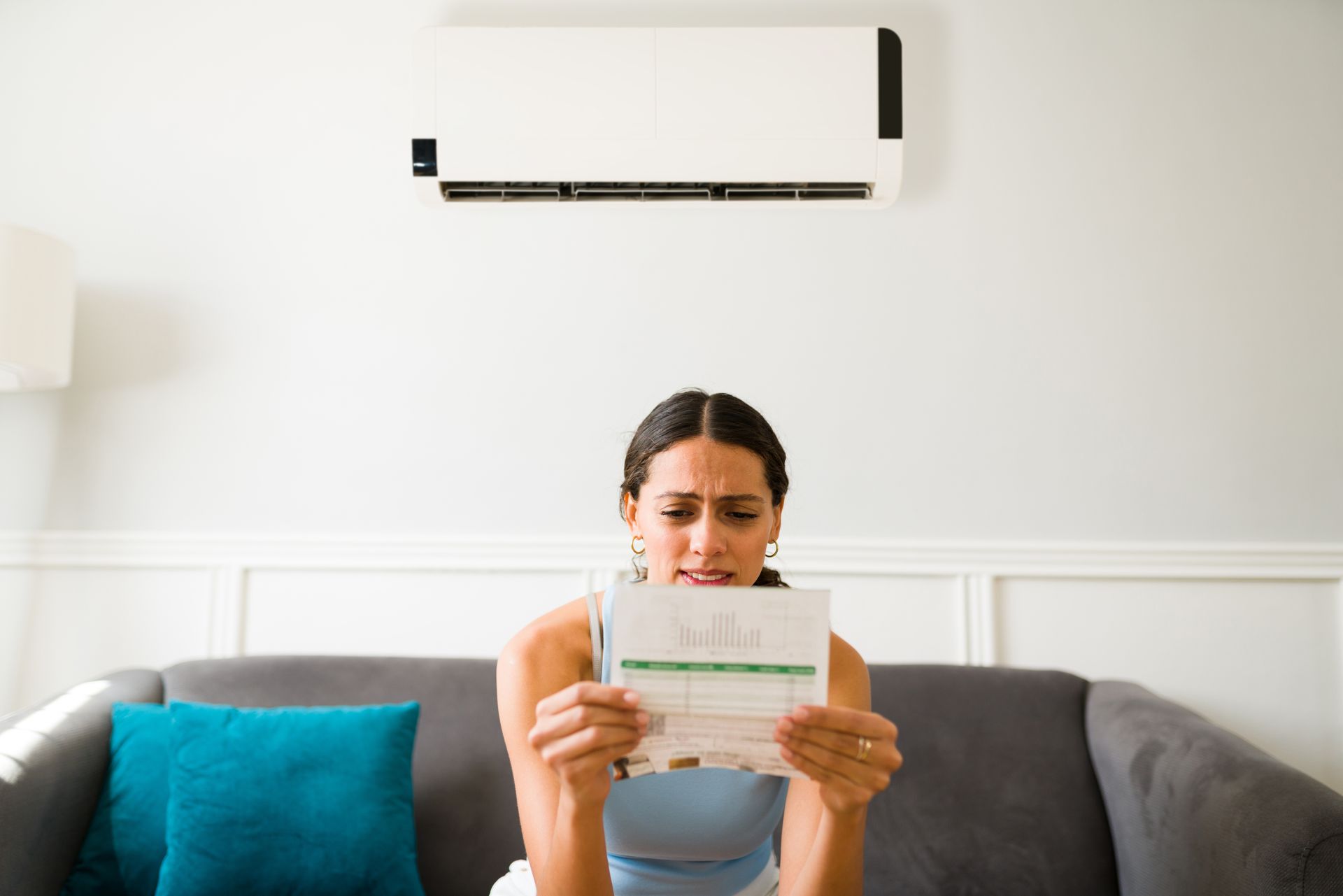
- Rising energy bills: Older systems lose efficiency over time, making your heating and cooling more expensive.
- Inconsistent comfort: Rooms that never reach the right temperature or have hot/cold spots could mean your system is struggling to keep up.
- Outdated technology: New HVAC systems offer better energy efficiency, smart thermostat compatibility, and quieter operation.
Replacing a system isn’t just about avoiding repairs — it’s about upgrading your home’s comfort, reliability, and efficiency.
Factors to Consider Before Making Your Decision
Before you call a contractor, think about:
- Maintenance history: A well-maintained system is more likely to last longer and respond better to repairs.
- Budget and long-term costs: Repairs may be cheaper now, but replacement may save money over the next decade.
- Home comfort priorities: If your system isn’t keeping your home comfortable, replacement can deliver immediate improvement.
- Warranty and energy rebates: New systems often come with warranties and can qualify for energy-efficiency incentives, which can offset installation costs.
At Rea’s HVAC, we provide a full inspection and honest assessment so you can weigh repair vs. replacement based on facts, not guesswork.
Making the Smart Choice
For many homeowners, the 10-year mark is the tipping point. Minor repairs may extend life for a few more years, but if you’re seeing frequent issues, rising bills, or inconsistent comfort, replacement is often the smarter, stress-free option.
Our team at Rea’s HVAC can help you:
- Evaluate the current condition of your system
- Compare repair costs versus replacement
- Recommend energy-efficient upgrades that reduce your bills and increase home comfort
Don’t wait until your system fails completely — a proactive decision can save money, prevent emergencies, and keep your home comfortable year-round.