How to Read Your Energy Bill: Is Your HVAC System Costing You Too Much?
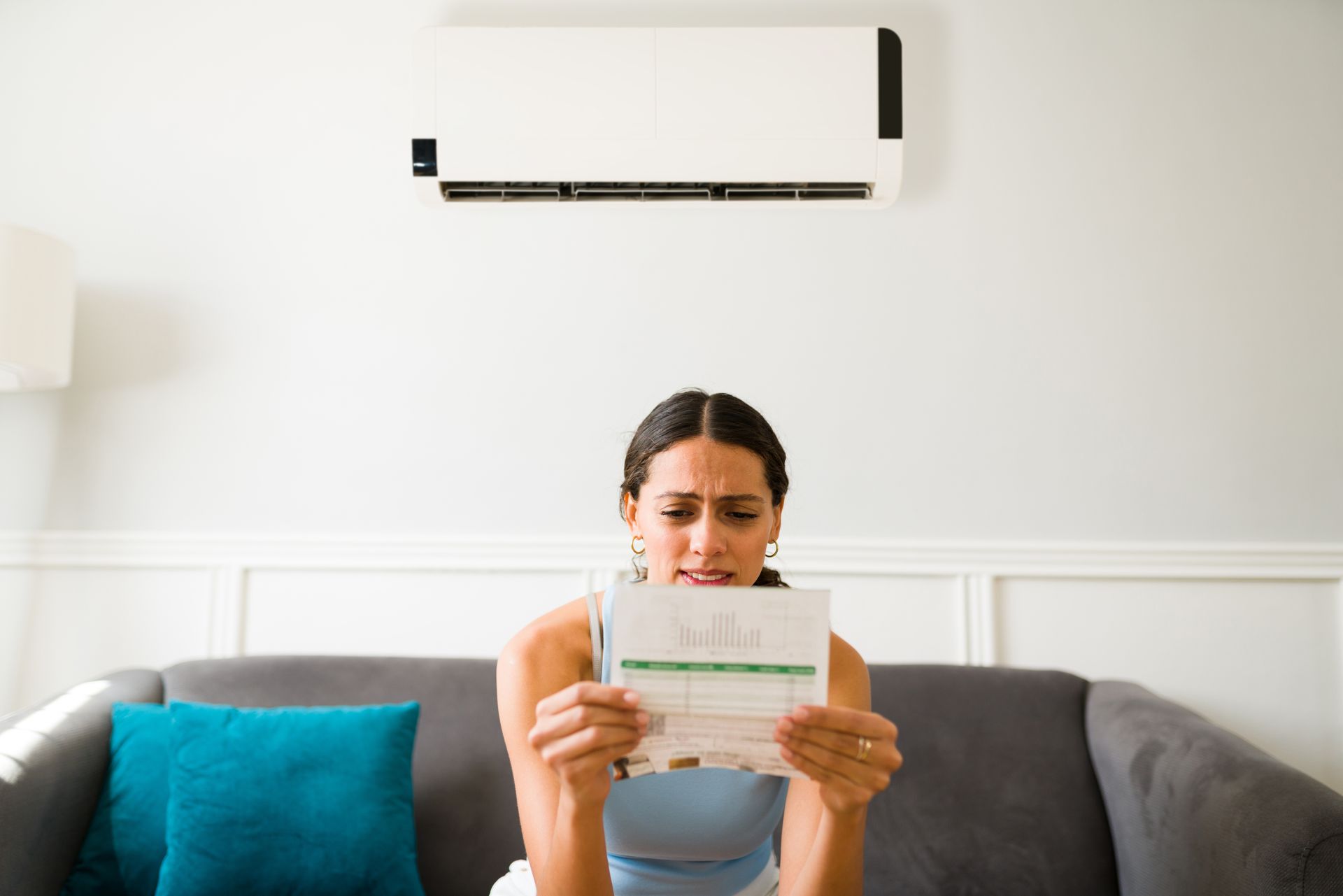
Understanding your energy bill is a powerful first step toward managing your utility costs and ensuring your HVAC system is operating efficiently. Many homeowners overlook sections of their bill that directly relate to heating and cooling usage, which can mask opportunities to reduce expenses.
In this guide, we explain how to read your energy bill and identify whether your HVAC system may be costing you more than it should—and how Rea’s HVAC can help.
1. Know the Structure of Your Energy Bill
While formats vary by utility provider, most energy bills contain similar components:
Account and Consumption Summary
This section shows your account details (name, service address), the billing period, and your total energy consumption for that period. For electric bills, consumption is typically measured in kilowatt-hours (kWh); for gas bills, it may be measured in therms or hundreds of cubic feet (CCF). Understanding these units helps you see how much energy you actually used.
Usage and Charges Breakdown
Energy bills usually divide charges into at least two main categories:
- Supply/Usage Charge: This reflects the actual energy you consumed multiplied by your rate.
- Delivery/Distribution Charge: This covers the cost to transmit energy to your home.
Additional line items may include taxes, fees, rider charges, or adjustments.
Historical Comparison
Many bills include a chart or table comparing your current usage to previous months or the same month last year. This helps you spot trends (for example, higher usage in summer or winter) that may correlate with HVAC operation.
Payment Information
Look for your total amount due, due date, and any previous balance. Confirm that your payment history is accurate, as missed or duplicate charges can influence your interpretation of usage and costs.
2. Identify What’s Driving Your Costs
Once you know where to find the key parts of your bill, use the following approach to determine if your HVAC system is costing you too much:
Compare Usage Months
Look at how many kWh (or therms) were used in months when your HVAC was running heavily versus shoulder seasons. A significant spike during heating or cooling seasons can indicate higher HVAC demand.
Divide Cost by Consumption
A simple ratio of total cost ÷ total consumption gives you an effective rate for that billing period. If this effective rate spikes significantly compared to prior months, it may reflect either rate changes or unusually high usage.
Review Time-of-Use or Tiered Rates
Some utilities charge different rates depending on the time of day or total usage tiers. Running HVAC units during peak hours could increase costs. Ask your utility if you’re on a time-of-use plan and whether shifts in operation timing could reduce costs.
Look for Anomalies or Errors
Sometimes bills include estimated readings rather than actual meter readings. If your usage suddenly jumps without weather justification, contact your utility for clarification.
3. How Your HVAC System Affects Your Bill
Your HVAC system is often one of the largest energy consumers in your home—especially in extreme weather months. Efficiency losses due to poor maintenance, aging equipment, or incorrect sizing can drive up energy usage and costs. Small thermostat changes, insulation improvements, or a system tune-up can yield noticeable savings over time.
According to utility and energy educators, understanding and reviewing energy usage data regularly helps consumers manage and potentially reduce their bills.
4. Signs Your HVAC System May Be Costing Too Much
If you notice any of the following when comparing your energy bills over time, it may indicate HVAC-related inefficiency:
- Unusually high consumption during mild weather (suggesting poor insulation or system inefficiency).
- Rapid increases in usage without corresponding weather changes.
- Frequent cycling or prolonged run times (indicates inefficiency or improper sizing).
- Inconsistent indoor comfort despite high usage.
If you see these patterns, it’s worth having a professional HVAC technician evaluate your system.
5. Why Choose Rea’s HVAC for Your System Efficiency and Pricing Transparency
When it’s time to address your HVAC needs—whether maintenance, repair, or replacement—customers say we stand out for quality service with honest, upfront pricing. Our goal is to treat clients like family, delivering tailored solutions that improve comfort and often help reduce long-term energy costs.
Rea’s HVAC offers:
- Transparent Pricing and honest estimates, ensuring you know what to expect without hidden fees.
- Dependable Installation and Maintenance Services for air conditioning, heating, ductless systems, and indoor air quality solutions.
- Energy-Efficient Options designed to help you save on monthly utility bills by optimizing system performance.
Our customers report that our pricing is competitive to our local market and our communication is straightforward and transparent, helping them plan and budget effectively.
Conclusion
Reading your energy bill with intention enables you to identify usage patterns, distinguish between different cost components, and determine how your HVAC system contributes to your total energy spend. Regular review combined with proactive HVAC strategy—such as routine maintenance, system upgrades, and consultation with a trusted provider like Rea’s HVAC—can empower you to control costs while maintaining comfort.
For a professional energy-efficient HVAC assessment and transparent pricing, contact Rea’s HVAC today.